Recycling and Sustainability for Gardeners Upminster
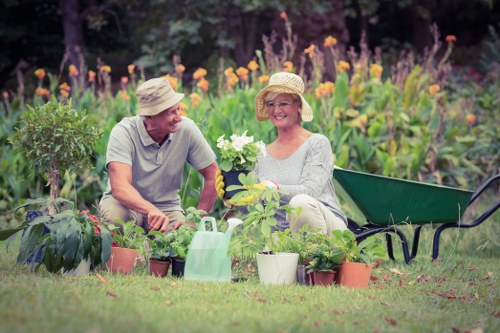 Gardeners Upminster is committed to greener working practices that support local landscapes while reducing environmental impact. Our approach to garden recycling in Upminster is built around careful sorting, responsible disposal, and a clear focus on re-use wherever possible. From green waste to soil, timber, and packaging, we look for the most sustainable route for every material we handle. That means turning routine maintenance into an opportunity to lower waste and keep useful resources in circulation.
A key part of this commitment is our recycling percentage target, which aims for at least 85% of waste streams from suitable garden projects to be diverted from landfill through recycling, composting, recovery, or re-use. This target is reviewed regularly so that we continue improving our performance as local services and processing options evolve. In practical terms, this involves separating organic matter from mixed waste, identifying recyclable hard landscaping materials, and choosing the right destination for each load.
We also align our working methods with how the boroughs around Upminster manage waste separation. Local approaches often place emphasis on keeping green waste, soil, wood, metal, and general rubbish apart so that specialist facilities can recover more of each material. In everyday gardening operations, that can mean different collection routes for prunings, plant matter, and construction remnants, making it easier to recycle responsibly and reduce contamination.
 Local transfer stations play an important role in our sustainability strategy. By using approved transfer stations near Upminster, we can consolidate sorted materials efficiently before they are sent on for recycling or recovery. These facilities help bridge the gap between garden work and the wider waste-processing network, especially when projects produce mixed loads that need careful handling. Materials such as wood offcuts, broken pots, old edging, and inert rubble can often be directed through appropriate channels rather than sent directly to disposal.
Our team is also attentive to the specific types of recycling activity relevant to the area. In many parts of Havering and nearby boroughs, household and commercial waste systems encourage separation of recyclables at source, and that principle carries over into landscaping and grounds maintenance. For Upminster gardeners, this means being mindful of what can be composted, what should be reprocessed, and what must be sent for specialist treatment. It is a simple but effective way to improve environmental outcomes across routine garden care.
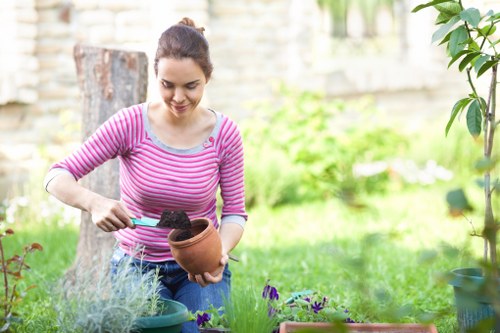
 Another important part of our sustainability work is our partnership with charities and community organisations. Where suitable, we identify items that can be reused or donated rather than discarded, including terracotta pots, planters, usable timber, gardening tools, and decorative materials. These partnerships help extend the life of good-quality items and support causes that benefit from practical donations. It is a meaningful way of making garden maintenance more circular, while also reducing the volume of material entering the waste stream.
We place equal importance on the vehicles used to carry out our work. Our low-carbon vans are selected to reduce emissions without compromising the reliability needed for local garden services. By using more efficient vehicles and planning routes carefully, we lower fuel consumption across regular site visits and waste runs. This supports cleaner operations in and around Upminster, where short-distance travel can add up quickly over the course of a busy maintenance schedule.
The benefits of lower-emission transport go beyond the journey itself. When vans are used strategically, we can combine collections, reduce unnecessary trips, and improve loading efficiency. That means fewer miles, less idling, and better use of each route. For customers and communities who value sustainable gardening, these small operational details make a real difference over time. Our aim is to make environmental responsibility part of the service, not an extra step added at the end.
Waste separation is also supported on site through practical sorting habits. Garden waste is kept distinct from general debris where possible, and recyclable materials are identified early so they can be handled correctly. Organic material such as leaves and grass cuttings may be suitable for composting or green-waste processing, while woody material can be directed to biomass or wood-recycling routes depending on condition and local capacity. This careful approach reduces contamination and improves the quality of recovered materials.
 Sustainability is not only about what happens after collection; it starts with how work is planned. We look to minimise avoidable waste by measuring materials accurately, choosing durable products, and reusing resources wherever possible. In garden installations, for example, we try to preserve healthy soil, salvage usable edging, and separate recyclable packaging from the outset. These habits support a more responsible model for Upminster garden recycling and help align everyday work with wider environmental goals.
Community partnerships remain central to this effort. Charitable reuse channels can give a second life to items that still have value, while local recycling infrastructure provides a reliable destination for materials that cannot be reused. Together, these routes create a layered sustainability approach that benefits both the environment and the local area. It is especially relevant in places like Upminster, where residential gardens, small commercial plots, and shared green spaces all produce different kinds of waste that need tailored handling.
Every stage matters, from sorting in the garden to transport and final processing. By combining a strong recycling target, responsible use of transfer stations, charity partnerships, and low-carbon vans, Gardeners Upminster supports a cleaner and more efficient cycle of work. The result is a service that respects local waste systems, reduces unnecessary landfill use, and keeps sustainability at the heart of garden care.
 Looking ahead, our focus remains on improving recovery rates, strengthening local recycling routes, and finding even better ways to reduce emissions. Garden care should enhance the environment, not burden it, and our recycling and sustainability practices are designed with that principle in mind. For Gardeners Upminster, greener operations are an ongoing commitment to the landscapes, communities, and resources that make the area special.