Upminster Windmill gardeners guide planting and restoration tips
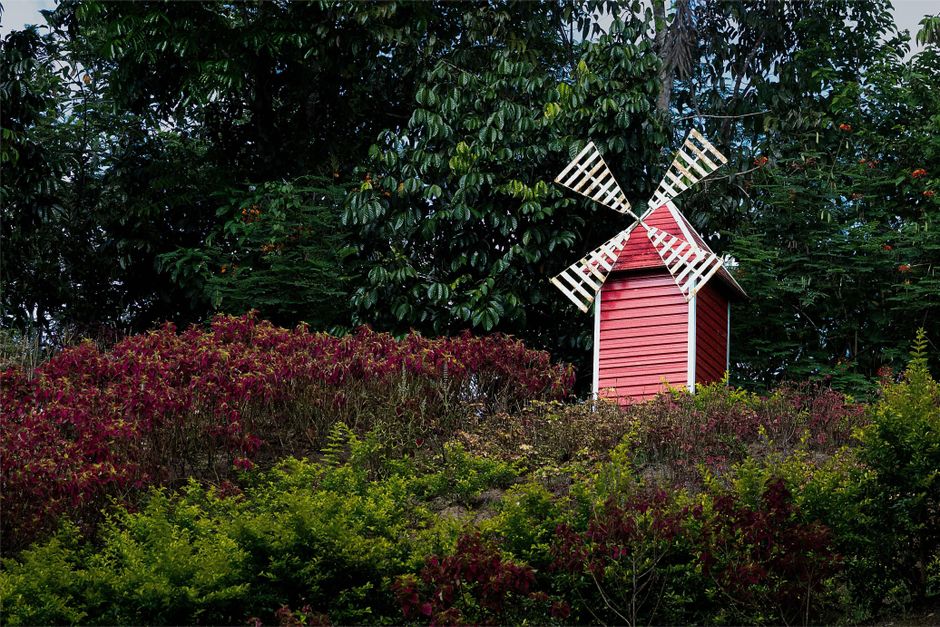
If you are planning a planting scheme around a heritage landmark, the balance is a bit different. You want colour, structure, and seasonal interest, but you also need to respect the setting, the soil, the wind exposure, and the long view. That is exactly what this Upminster Windmill gardeners guide planting and restoration tips is here to help with. Whether you are tending a nearby private garden, helping a community space feel more settled, or thinking about restoration-sensitive planting around the windmill itself, the same principles apply: choose plants carefully, protect the structure, and build for durability rather than quick impact.
Truth be told, heritage gardens can go wrong in very ordinary ways. A shrub grows too close to a wall, ivy gets away from everyone, turf thins in shade, or a "temporary" planting plan becomes a maintenance headache. The good news? With the right approach, you can create planting that looks natural, supports the character of the site, and is far easier to maintain than most people expect.
Why Upminster Windmill gardeners guide planting and restoration tips Matters
Upminster Windmill is not the kind of place where you can treat planting like a blank canvas. A windmill setting asks for restraint, clarity, and sensible maintenance. The planting should feel rooted in the landscape rather than fighting it. That means thinking about views, access, drainage, root spread, shade, and how the site changes from season to season.
It also matters because restoration and planting pull in the same direction when they are handled well. Restoration work is easier when the surrounding planting is disciplined, and planting looks better when the structure it frames is cared for. In practice, the two are inseparable. A neat path, healthy turf, controlled hedges, and clean edges make a heritage space feel looked after, not overdone.
For local gardeners, there is another layer. The RM14 area can bring wind, compacted soil, urban pressure, and those awkward microclimates that keep some borders bone-dry while nearby spots stay damp. If you have ever planted something "perfect" only to watch it sulk for six months, you will know the feeling. It is frustrating. But it is fixable.
And that is the point here: good planting around a heritage site is not only about style. It is about long-term care, safe access, and sensible choices that reduce future work.
How Upminster Windmill gardeners guide planting and restoration tips Works
The approach is simple on paper and a little more nuanced in the real world. First, you assess the site. Then you decide what role the planting should play. Is it framing a view? Softening hard edges? Helping with slope stability? Replacing tired turf? Improving biodiversity without crowding the structure? Each of those goals points to a slightly different plant palette and maintenance pattern.
In a restoration-sensitive setting, gardeners usually work in layers. The lower layer might be ground cover or drought-tolerant perennials. The middle layer might be low shrubs or structured bedding. The upper layer could be managed hedging or small specimen planting placed far enough from buildings to avoid future conflict. That layered thinking matters because it keeps the design coherent without allowing one part of the garden to overwhelm the rest.
Restoration tips also include practical, less glamorous work: improving soil structure, removing invasive growth, checking drainage, protecting masonry from moisture-retaining planting, and keeping access routes clear. A beautiful planting scheme that blocks maintenance access is not really beautiful for long. Let's face it, nature is always waiting to take advantage of a weak plan.
Where grass areas are involved, maintenance becomes part of the design. In shaded or wind-exposed spots, turf health can be fragile, so the lawn may need a different care rhythm. If you are dealing with thin or tired grass near trees or evergreen cover, a useful reference point is evergreen shade and turf health. That kind of issue is common around older sites and garden borders alike.
Key Benefits and Practical Advantages
When planting and restoration are planned together, the benefits stack up quickly. You get a better-looking site, but you also get fewer surprises later. That matters because the most expensive garden problems are usually the ones that were "good enough for now".
- Cleaner visual lines: low, well-chosen planting keeps the windmill and surrounding features visually prominent.
- Lower maintenance pressure: the right species reduce pruning, deadheading, and replacement work.
- Better resilience: plants matched to soil and exposure cope better with local weather swings.
- Improved access: clear paths and edges make inspections, repairs, and garden care easier.
- More seasonal value: structure in winter, flowers in spring, texture in summer, colour in autumn.
- Better long-term value: a restrained, tidy scheme tends to age more gracefully than an overpacked one.
There is also a less obvious gain: confidence. Once the garden feels manageable, you stop dreading the next tidy-up. That sounds small, but it changes everything. A site that can be cared for calmly is a site that is more likely to stay in good shape.
If the wider garden needs regular attention, a steady maintenance plan helps a lot. Many owners find that a broader routine using garden maintenance in Upminster RM14 keeps the whole area on track without constant rescue work.
Who This Is For and When It Makes Sense
This guide is useful for a few different groups. If you are managing a home garden near a heritage feature, it helps you avoid the usual planting mistakes. If you are involved in community gardening, it gives you a framework for planting that looks thoughtful rather than busy. And if you are working on restoration-sensitive grounds, it helps you think like a caretaker rather than just a plant shopper.
It makes sense when:
- a site needs planting that respects a historic or visual focal point;
- you are trying to improve a tired or patchy garden without overdeveloping it;
- there is ongoing restoration or repair work nearby;
- wind, shade, dry soil, or compacted ground are making planting harder than expected;
- you want a garden that is attractive but not high-drama.
It is also useful if you are not quite sure where to start. Many people think they need a grand design. Often, they really need better structure. One strong hedge line, one improved border, one honest assessment of the soil, and the whole thing begins to make sense.
For anyone improving approach routes, boundaries, or the overall setting, the right wider landscaping support can be useful too. A practical starting point is landscaping support in Upminster RM14, especially where planting needs to sit comfortably alongside hard features.
Step-by-Step Guidance
1. Start with the site, not the plants
Before you buy anything, look at where the sun falls, where wind cuts through, where the soil is thin, and where people actually walk. Heritage settings often have hidden pressures: shade from mature trees, reflected heat from paving, or water running away from one corner and collecting in another.
Take a slow walk around the area in the morning and again later in the day. You will notice different things, and those small observations matter more than glossy plant labels.
2. Clear out competing growth
Remove weeds, self-seeded brambles, ivy that is creeping where it should not, and anything that blocks access or hides structural issues. If a plant is already causing damage or simply smothering the design, deal with it first. A tidy reset is often the smartest move.
If invasive climbers are part of the problem, the guide on ivy removal is a helpful companion. Ivy can look charming right up until it is under the eaves, in the gutters, or on the wrong wall. Then it is less charming. Much less.
3. Improve the soil before planting
Healthy planting begins below ground. Break up compacted soil, add well-rotted organic matter where appropriate, and make sure drainage is not being blocked by hard pan or rubble. If the bed has been neglected for years, do not expect miracles from one bag of compost. Soil improvement is gradual, not magical.
Using the right organic material helps build structure and moisture retention. If you want a deeper practical overview, soil enrichment with organic waste is a strong next read. It is especially relevant when working with older ground that has lost body and life.
4. Choose plants that suit exposure and scale
A common mistake is choosing plants for the flower rather than the site. In a windier, more exposed setting, look for sturdy perennials, grasses, ground cover, and shrubs that can hold their shape. Keep taller species where they will not block views or outgrow the space. Small gardens can look rich without looking crowded.
Good plant choice also means thinking about root behaviour. Keep vigorous climbers, trees, and large shrubs away from masonry and narrow paths. A little distance now avoids a great deal of regret later.
5. Build in structure and repeat planting
Restoration-friendly planting usually works best when there is repetition. Use a limited palette and repeat it with purpose. This creates calm, which suits heritage environments. A patchwork of random colours can be attractive in a cottage garden, but near a windmill or similar landmark it can feel noisy.
Ground cover is particularly useful because it softens edges without demanding much attention. If you need ideas, see the advice on ground cover plants for UK gardens. They can really tidy a border without making it look overworked.
6. Set a realistic maintenance rhythm
Once planting is in, the job is not over. It simply changes shape. Watering, deadheading, staking, mulching, edging, and seasonal cutting all matter. The trick is to build a routine you can actually stick to. Not a fantasy routine. A real one.
If the lawn is part of the picture, line up care with the rest of the planting. For ongoing turf work, lawn care in Upminster RM14 can help keep grass areas from undoing the neatness of the borders.
7. Review after the first season
Look at what thrived, what struggled, and what needs moving. Gardens are not static. A border that looked balanced in April may feel too crowded by August. That is normal. Adjusting after the first season is not a failure; it is how good gardens get better.
Expert Tips for Better Results
Here are the kinds of small decisions that make the biggest difference over time.
- Mulch lightly but consistently. It helps regulate moisture and keeps weeds down. Just do not heap it against stems or trunks.
- Use a restrained colour palette. Three or four main tones often look more elegant than a dozen competing ones.
- Prefer structure-first planting. Evergreen shapes, grasses, and repeated forms hold a site together when flowers are out of season.
- Keep inspection lines open. Restoration work goes more smoothly when walls, paths, and bases stay visible.
- Plan for wind, not against it. In exposed spots, lower planting often performs better than tall, brittle growth.
One thing that gets overlooked: edges. Clean edging makes a garden feel intentional even when the planting itself is simple. A crisp border can do more for a heritage setting than another bed full of expensive plants, and that is just the truth of it.
For windy plots, the article on overcoming wind hazards in the garden is very useful. Wind changes everything: watering, staking, leaf scorch, and the pace at which new plants settle.
If you need your planting to work alongside privacy or boundary control, a practical look at vibrant hedges for privacy and style can help you narrow down the right scale and form.
Common Mistakes to Avoid
Most restoration planting problems come from enthusiasm outrunning judgement. That happens. Gardens invite optimism. But a few mistakes come up again and again.
- Planting too close to the structure. Roots, moisture, and maintenance access all need space.
- Choosing fast growers because they look full quickly. Fast often means more pruning, more spread, more hassle.
- Ignoring soil condition. A plant cannot "be resilient" on poor ground forever.
- Overcrowding the design. Too much planting makes a heritage site feel smaller and harder to manage.
- Using climbing plants without a control plan. Climbers need direction. Otherwise they write their own brief, and that brief is chaos.
- Forgetting the maintenance route. If you cannot reach it, you cannot care for it properly.
Another common issue is neglecting hard surfaces around the planting scheme. Soil spill, algae, and grime quickly make an otherwise tidy space look tired. That is where patio cleaning in Upminster RM14 can support the wider visual finish, especially near seating or access areas.
And if you are managing boundaries at the same time, do not let panels, posts, or gates become an afterthought. A smart line of fencing in Upminster RM14 can help shape the garden and protect new planting from wear and tear.
Tools, Resources and Recommendations
You do not need a truck full of gear to do this well. In fact, too many tools can become a distraction. Keep it practical.
| Need | Best practical choice | Why it helps |
|---|---|---|
| Soil improvement | Organic matter, compost, mulch | Supports structure, moisture balance, and plant establishment |
| Pruning and shaping | Sharp secateurs, loppers, pruning saw | Keeps growth controlled and avoids ragged cuts |
| Plant support | Stakes, ties, low supports | Useful for young plants in exposed positions |
| Ground management | Edging tools, rake, hoe | Helps maintain clean lines and reduce weed spread |
| Ongoing care | Simple watering plan and seasonal checklist | Keeps the work consistent rather than reactive |
For more specific planting ideas, these site-relevant references can help shape the design:
- evergreen climbers that can soften walls carefully
- compact herb planting for smaller spaces
- container gardening ideas for flexible displays
- helpful reminders for newer gardeners
If a project needs more than routine upkeep, it is often worth bringing in experienced help rather than trying to patch everything together yourself. That is especially true where restoration, access, pruning, and layout all overlap. In that case, gardening services in Upminster RM14 can provide the wider support needed to keep the plan coherent.
Law, Compliance, Standards and Best Practice
Heritage-adjacent gardening should always be careful around the site's character, access, and safety. You may not need a formal legal framework for every planting decision, but best practice still matters. In plain English: do not damage masonry, do not block access, and do not create a maintenance burden that future caretakers will struggle to manage.
Where trees are involved, especially mature or protected specimens, it is wise to check before doing anything drastic. Tree work can affect root systems, stability, and nearby structures. If a site has established trees or larger woody growth, it may be sensible to have a professional look before cutting hard. A good starting point is tree surgery in Upminster RM14 when the work goes beyond routine pruning.
Best practice also means:
- keeping safe distances between planting and walls or foundations;
- avoiding moisture-trapping growth against vulnerable surfaces;
- choosing non-invasive species where maintenance access is limited;
- being cautious with herbicides or aggressive weed control near heritage features;
- making sure paths remain usable in all reasonable weather.
There is also the simple duty of care you owe to visitors, neighbours, and anyone maintaining the site later. If a border becomes a trip hazard, a path narrows, or a hedge blocks sight lines, it stops being a planting success and starts becoming a problem. That part is easy to forget, oddly enough.
For winter vulnerability, it helps to think ahead rather than after the first cold snap. A practical reference is winter protection for garden vitality, because tender growth and exposed sites often need a bit of extra care when temperatures drop.
Options, Methods, or Comparison Table
Not every planting strategy suits every area. The right method depends on how formal the setting should feel, how much maintenance is realistic, and how close the planting sits to the structure.
| Method | Best for | Pros | Watch out for |
|---|---|---|---|
| Low structured borders | Clear heritage views and controlled spaces | Tidy, elegant, easy to read | Can look sparse if underplanted |
| Mixed cottage-style planting | Softening informal edges | Seasonal variety and charm | Can become messy without strict editing |
| Ground-cover-led design | Slopes, awkward corners, low-maintenance areas | Reduces weeds and improves coverage | Some ground covers spread more than expected |
| Container-led planting | Flexible or temporary displays | Easy to move, useful in constrained areas | Needs regular watering and feeding |
| Boundary planting with hedges | Privacy, framing and screening | Strong structure and year-round presence | Requires pruning discipline |
If you are torn between options, choose the one you can maintain reliably. The "best" garden is the one that still looks good in six months, not just on planting day. A little blunt, maybe, but accurate.
Case Study or Real-World Example
Consider a modest heritage-adjacent garden that had three recurring problems: patchy lawn in shade, an overgrown border near a hard edge, and a few tired shrubs crowding the view. The owners wanted a more refined look without stripping the garden back to nothing.
The first step was to simplify. The congested shrubs were thinned or replaced, the soil was improved, and the planting plan was rebuilt around lower, repeated forms rather than a mixed jumble. Ground cover was added to reduce bare patches, and the lawn area was treated separately rather than being expected to fix itself. They also improved access to the edges, which made future maintenance far less awkward.
What changed most was not the flower count. It was the sense of order. The garden began to frame the building rather than compete with it. Visitors could move through it easily. Maintenance stopped feeling like a rescue mission. And the owners, to their surprise, found they spent more time enjoying the space than battling it.
That kind of result is realistic. It is not flashy. But it lasts.
Practical Checklist
- Check sun, shade, wind exposure, and drainage before buying plants.
- Clear invasive growth, weeds, and unwanted self-seeders.
- Improve soil structure with organic matter where needed.
- Keep planting away from walls, paths, and inspection points.
- Choose a restrained plant palette that suits the setting.
- Use ground cover or low planting to soften edges safely.
- Plan maintenance access before finalising the design.
- Review the scheme after the first season and make adjustments.
- Keep hard surfaces, paths, and borders clean and usable.
- Bring in professional help for trees, boundaries, or larger redesigns if needed.
One last practical note: if the surrounding garden needs a broader tidy-up as well as planting changes, a consistent schedule for hedge trimming in Upminster RM14 can make a surprising difference to the overall feel of the site.
Get a free quote today and see how much you can save.
Conclusion
Good planting around a heritage setting is never just about prettiness. It is about restraint, care, and making choices that will still make sense years from now. With the right planting structure, careful restoration thinking, and a maintenance plan that suits the site, you can create something that feels calm, authentic, and properly looked after.
The best gardens do not shout. They settle in. They frame, support, and quietly improve the place around them. If you take the time to get the basics right, the rest tends to follow. Slowly at first, then all at once, as the season turns and the whole space begins to breathe.
And that is really the reward here: a garden that feels at ease with itself.
Frequently Asked Questions
What is the main goal of planting around a heritage site like Upminster Windmill?
The main goal is to enhance the setting without overpowering it. Planting should support the character of the site, improve the landscape, and keep access and maintenance straightforward.
Which plants are usually best for exposed areas near historic buildings?
Sturdy, well-behaved plants usually perform best. Ground cover, repeat-planted perennials, low shrubs, grasses, and restrained hedging are often better than tall, floppy, or invasive species.
How far should plants be kept from walls or foundations?
That depends on the species and the structure, but the general rule is to leave enough space for air movement, access, and root growth. Large shrubs and trees should never be squeezed right up against masonry.
Why is soil improvement so important before planting?
Poor soil makes everything harder. Better soil structure helps roots establish, improves water movement, and reduces stress on the plants during dry or windy periods.
Can ivy be used safely in restoration-sensitive gardens?
Only with caution and a clear control plan. Ivy can work in some settings, but it can also damage surfaces, hide defects, and become difficult to manage if left unchecked.
What is the easiest way to keep a heritage garden looking tidy?
Use a limited plant palette, repeat shapes, maintain clean edges, and keep access routes open. A simple, disciplined layout is usually much easier to maintain than a busy one.
Do I need professional help for restoration planting?
If the work involves trees, structural concerns, major reshaping, or large boundary changes, professional help is often sensible. Smaller planting jobs may be manageable on your own if the plan is clear.
How often should planting be reviewed after it goes in?
At least after the first growing season, and again after the first winter if the site is exposed. That gives you a realistic picture of what has settled well and what needs changing.
What should I do if the lawn near the windmill is patchy or shaded?
Do not assume grass will recover by itself. Check for shade, compaction, and moisture problems, then improve the area with a care plan suited to the conditions. Sometimes turf needs a different approach altogether.
Are hedges a good idea around a historic garden?
Yes, if they are chosen and maintained carefully. Low or moderate hedges can provide structure, screening, and rhythm, but they should never block key views or become hard to manage.
How can I make restoration planting lower maintenance?
Choose plants that suit the site, use ground cover where appropriate, avoid overcrowding, and set a realistic seasonal routine. The less fighting the plants need, the better the long-term result.
What is the biggest mistake people make with heritage garden planting?
The biggest mistake is planning for the first impression instead of the fifth year. Fast-growing, high-maintenance plants can look great briefly, then become a burden. Slow and steady usually wins here.