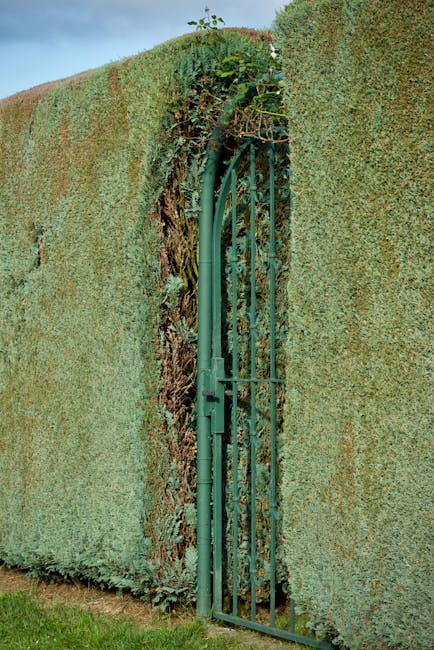
Hidden gardeners fees in Upminster what to watch for
If you have ever compared gardening quotes and thought, "That looks fine... but does it?" you are not alone. Hidden gardeners fees in Upminster can turn a sensible job into an annoying bill very quickly, especially when a quote looks neat on paper but leaves out travel, waste removal, access issues, or the extra time needed for a tricky garden. This guide explains what to watch for, how pricing usually works, and how to spot the quiet little add-ons before they catch you out.
Truth be told, most gardeners are straightforward. The problem is usually not one giant scam; it is the small print, the vague wording, or the assumptions both sides make. A patio that is "just a quick clean" may take longer than expected. A hedge that looks manageable from the fence line may hide a second row or awkward boundary. A tidy price can unravel fast if nobody asked the right questions.
By the end, you will know how to read a gardening quote properly, compare like for like, and decide when a lower price is actually the more expensive option. And if you are planning wider work, you can also explore professional gardening services in Upminster, regular garden maintenance, or more specific help such as hedge trimming and lawn care.
Why Hidden gardeners fees in Upminster what to watch for Matters
A gardening quote is not just about price. It is about scope, timing, materials, disposal, access, and how clearly everything has been explained. In Upminster, where gardens range from compact family plots to longer suburban spaces with side access, fences, patios, trees and uneven borders, the final bill can shift if the original estimate was too loose.
Hidden charges matter because they change the whole decision-making process. A gardener who seems cheaper may simply be leaving out the things you will later have to pay for anyway. That is not always dishonest. Sometimes it is just poor quoting. Still, the result is the same: you pay more than expected.
There is also the trust issue. Once a customer feels blindsided by a surprise fee, everything else starts to look doubtful. Did the time estimate make sense? Was waste removal included? Was VAT mentioned clearly, if applicable? Was the job quoted as a one-off tidy-up or a proper ongoing service? One fuzzy detail can make the whole arrangement feel shaky.
For practical tasks such as lawn mowing, patio cleaning, or tree surgery, the main job may look simple, but the real cost often depends on access, equipment, debris, and the condition of the site. That is where hidden fees love to hide. Behind a hedge. Under a pile of cuttings. Annoyingly, sometimes all three.
How Hidden gardeners fees in Upminster what to watch for Works
Hidden fees usually appear when a quote is built around assumptions instead of specifics. The gardener may price the visible task but not the surrounding work. For example, a quote for hedge cutting may include trimming only, while extra charges appear for removing clippings, dealing with thick woody growth, or clearing up difficult access paths. A tidy-up can become a half-day project once the details are checked.
Here are the most common ways gardening costs get layered on:
- Travel or call-out charges added after the headline price.
- Waste removal fees for green waste, soil, branches, or bulky cuttings.
- Minimum visit charges even if the job takes less time than expected.
- Extra labour rates for steep gardens, awkward access, or heavy overgrowth.
- Equipment charges for specialist tools, stump grinders, or pressure washers.
- Material mark-ups on mulch, turf, plants, fencing, decking, or soil.
- Emergency or same-day premiums when the work is urgent.
A clear quote should separate labour, materials, waste, and any optional extras. If the price is just one neat number with no detail, that is not automatically bad, but it does mean you should ask more questions before agreeing.
Garden type matters too. A job in a flat, open space will usually be simpler than one with narrow side access, broken paving, heavy shade, or a boundary packed with mature growth. Even a service like landscaping can look modest until dig-out, levelling, deliveries, and cleanup are counted properly.
Key Benefits and Practical Advantages
Knowing what to watch for gives you more than cost control. It gives you confidence. You can compare quotes properly, keep the work on track, and avoid that awkward moment when the gardener says, "Oh, that wasn't in the price."
The practical advantages are straightforward:
- Better budgeting because you know what is genuinely included.
- Fewer disputes since expectations are agreed upfront.
- Cleaner comparisons between gardeners offering different service levels.
- Better workmanship focus because the conversation is about scope, not guesswork.
- Less stress when the job is underway and nobody is renegotiating halfway through.
There is also a maintenance benefit. Once you understand fee structures, you can plan recurring work more intelligently. For example, weekly mowing, seasonal hedge trimming, and periodic garden tidy-ups often make more sense as a planned schedule than as a string of last-minute rescue jobs. That is especially true if you want the garden to stay presentable without scrambling every time it gets a bit wild.
For many homes, good planning also improves plant health and long-term appearance. A proper maintenance approach often works better than repeated emergency fixes. If your plot struggles with shade, roots, or patchy turf, it may be worth reading about evergreen shade and turf health and then discussing the issue with a gardener before work begins.
Who This Is For and When It Makes Sense
This advice is useful if you are booking a one-off job, but it is even more valuable if you want regular help. Homeowners in Upminster often need support after holidays, after wet weather, before guests arrive, or when the garden has just reached that point where you look at it and sigh a bit. That counts.
It also makes sense if you are comparing different kinds of work, such as:
- routine mowing and edging
- hedge and shrub cutting
- patio or decking cleaning
- border clearing and planting refreshes
- fencing repairs or replacements
- tree work and heavier clearance
If you are planning a bigger garden update, hidden charges become even more important. A low headline price for a makeover may not include skip costs, soil improvement, disposal, or a second visit for finish work. That is why it helps to look at the whole project, not just the prettiest number on the quote.
Sometimes the right answer is a simple one-off service. Other times it is a blend of ongoing garden maintenance and targeted jobs like patio cleaning or fencing work. The key is knowing what you need before anyone starts adding extras.
Step-by-Step Guidance
If you want to avoid hidden gardening charges, use a simple process. It does not need to be fancy. In fact, the more ordinary and boring it sounds, the better. Boring is good here.
- Describe the job clearly. Include the garden size, access points, current condition, and what you want removed, trimmed, cleaned, planted, or repaired.
- Ask what is included. Labour, tools, fuel, waste removal, materials, and cleanup should all be discussed.
- Ask what is excluded. This is the bit people skip, and then regret later.
- Request a written quote. Even a short email is better than a vague phone agreement.
- Check for assumptions. Are they assuming easy access? A flat lawn? No locked gate? No root damage?
- Confirm waste handling. Green waste, branches, soil, and rubble are not always treated the same way.
- Confirm materials. If plants, soil, bark, or timber are being supplied, ask whether those are priced separately.
- Agree the finish standard. "Tidied" can mean very different things to different people.
One useful habit: take three photos before the work starts. Wide shot, middle shot, close-up. It sounds a bit cautious, but it helps if there is later disagreement about how overgrown, stained, or damaged something was before the job.
If the work includes thick hedges, blocked borders, or awkward access, mention that up front. A gardener quoting for hedge trimming or tree surgery can price more accurately if they know exactly what they are walking into. Nobody likes a surprise bramble wall at 8:15 on a damp Tuesday morning.
Expert Tips for Better Results
Over time, you start to notice the same patterns. The best pricing conversations are calm, specific, and a little detailed. Not dramatic. Not rushed. Just clear.
- Use the same brief for every quote. If one gardener gets more information than another, the comparison is meaningless.
- Ask for a breakdown on bigger jobs. It is much easier to challenge a questionable item when it is listed separately.
- Clarify the tidy-up stage. Some gardeners rake and bag waste; others leave a neat pile for later collection. Big difference.
- Be realistic about access. Narrow side gates, steep slopes, and long carry distances all affect labour time.
- Check whether plant disposal is separate. Ivy, roots, soil, and bulky branches may be handled differently.
- Think seasonally. Winter work, wet ground, or peak spring demand can affect scheduling and effort.
For outdoor improvements, it also helps to think in sequences. If you are cleaning a patio, then refreshing borders, then adding structure, the order matters. Often the smarter approach is to clear first, clean second, and build third. A good gardener will usually explain that without making a song and dance about it.
Related reading such as winning the weed war, ivy removal guidance, and organic waste for soil enrichment can also help you understand why some jobs take longer and cost more than they first appear to.
Common Mistakes to Avoid
A surprising number of price problems come from simple misunderstandings. Easy to say afterwards, of course. But still, most of them are avoidable.
- Accepting a verbal quote only. If something changes, you may struggle to prove what was agreed.
- Comparing only the headline total. One quote may include waste disposal and another may not.
- Not asking about minimum charges. Small jobs can still trigger a full visit fee.
- Assuming materials are included. Soil, mulch, turf, plants, and timber often sit outside the base price.
- Ignoring access restrictions. A simple garden can become a long carry job if equipment must be taken through the house or around tight corners.
- Leaving out the "extras" when describing the job. Old decking, rotted fencing, or dense overgrowth can change the cost quite a bit.
One practical example: a customer asks for border clearance and mowing, but forgets to mention a large pile of cut branches at the rear. The gardener arrives, realises the waste is far bigger than expected, and suddenly the price discussion starts all over again. Nobody enjoys that conversation. Not really.
If the job involves structure or surfaces, such as decking services or a new garden boundary, ask about finish level, removal of old materials, and any preparatory work before the main price is accepted.
Tools, Resources and Recommendations
You do not need a toolbox full of gadgets to protect yourself from hidden fees. A few sensible habits do most of the work.
- Camera phone: useful for before-and-after photos and site notes.
- Simple written brief: a short checklist of tasks, access, and materials.
- Measure or rough pace count: enough to estimate garden size and fence or hedge length.
- Quote comparison sheet: list each provider and mark what is included.
- Calendar reminder: helpful if the job is seasonal or recurring.
For planning wider improvements, browsing linked service pages can help you define scope before you request a quote. A homeowner considering a full refresh may move between landscaping, mowing, lawn care, and general gardening support before settling on the right mix.
A few of the blog guides are especially useful when you are deciding what a gardening job should involve. For example, a garden makeover plan, weatherproofing advice, and budget-friendly garden ideas can help you separate must-have work from nice-to-have extras.
Law, Compliance, Standards, or Best Practice
For most homeowners, the main concern is not legal complexity, but there are still a few best-practice points worth keeping in mind. If a job involves trees, major pruning, waste disposal, or shared boundaries, it is sensible to confirm responsibilities early. Tree work in particular can involve safety considerations, neighbour awareness, and access planning that should not be glossed over.
In the UK, garden work is generally expected to follow sensible safety practice. That means safe use of tools, proper handling of waste, and clear agreement on who is supplying materials and removing debris. If work could affect neighbours, paths, fences, or shared surfaces, it should be discussed before it begins. Nothing glamorous there, but it saves hassle.
For bigger projects, best practice usually means:
- having the task written down clearly
- agreeing who is responsible for waste and cleanup
- confirming access arrangements
- checking whether any parts of the work are optional extras
- ensuring the final handover matches what was quoted
If you are unsure what level of care a job needs, ask for the scope in plain English. A good provider should be able to explain it without hiding behind jargon. And if they cannot, that tells you something too.
Options, Methods, or Comparison Table
Sometimes the easiest way to spot hidden fees is to compare service styles. A low-price, bare-bones quote can be fine for a quick tidy. For anything more involved, a fuller service often works out better value because less is left to chance.
| Quote style | What it usually includes | Watch for | Best for |
|---|---|---|---|
| Headline price only | Basic labour estimate | Waste, materials, access, minimum charges | Very small, simple jobs |
| Itemised quote | Separate labour and extras | Whether each item is fixed or estimated | Most one-off jobs |
| Maintenance package | Regular visits and routine care | Frequency, skip-outs, seasonal changes | Ongoing garden upkeep |
| Project quote | Scope, materials, labour, finish work | Ground prep, disposal, changes, delays | Makeovers and structural work |
If you are unsure, ask which model the quote uses. A one-line price can still be fair, but an itemised quote usually gives you more control. For most people, clarity beats cleverness every time.
Case Study or Real-World Example
Imagine a typical Upminster back garden after a rainy spell: the lawn is patchy, the hedge has shot up, the patio is slick with algae, and there is a pile of cuttings near the shed because nobody has had time to deal with it. The homeowner wants a quick tidy-up before a family gathering.
One gardener prices only the obvious parts: mow the lawn, trim the hedge, sweep the patio. Another gardener asks a few awkward but useful questions: How much waste is there? Is the patio level and safe to clean? Is the hedge one side or both? Is there easy access to the rear gate? Will materials be needed? The second quote comes in a bit higher, but it turns out to be more realistic.
When the work starts, the lower quote suddenly looks less cheap. Waste bags are needed. The hedge is denser than expected. The patio requires extra passes because of slippery patches. The first gardener would probably have added fees on the day. The second had already allowed for them. That is the difference hidden fees make.
And this is where a broader service approach can help. If the job also needs patio cleaning, hedge trimming, or even a small amount of general maintenance, bundling the work with a properly scoped quote can be more honest and less stressful than piecemeal extras.
Practical Checklist
Use this before you agree to any gardening job. It is simple, but it catches a lot.
- Have I described the job in full?
- Do I know what labour includes?
- Are waste removal and disposal included?
- Are materials included, separate, or optional?
- Has access been discussed clearly?
- Is there a minimum charge or call-out fee?
- Are there likely extras for heavy growth, roots, or awkward areas?
- Is the price written down?
- Do I understand what finish standard I should expect?
- Have I compared it with at least one other quote, if possible?
Quick takeaway: the best defence against hidden gardening charges is not suspicion; it is clarity. If a quote feels vague, slow down and ask for specifics. A few extra minutes now can save a very irritating surprise later.
Conclusion
Hidden gardeners fees in Upminster usually come from vague pricing, unspoken assumptions, and jobs that are more involved than they first appear. Once you know what to ask, the whole process becomes much easier. You can compare quotes properly, spot the gaps, and choose a gardener with confidence rather than guesswork.
The best approach is simple: be clear about the job, ask what is included, check what is excluded, and get the agreement in writing. That alone will rule out most awkward surprises. It also makes the working relationship better, which matters more than people think. A good garden job should feel calm, tidy, and fair. Not a puzzle.
If you are ready to get your garden sorted and want a clearer sense of scope before you start, explore the relevant service pages, review the practical guidance, and then speak with someone who can walk through the details properly. Your garden deserves that bit of care, and so do you.
Get a free quote today and see how much you can save.
Frequently Asked Questions
What are the most common hidden gardeners fees in Upminster?
The most common extras are waste removal, travel or call-out charges, minimum visit fees, materials, and additional labour for difficult access or heavy overgrowth.
How can I tell if a gardening quote is missing costs?
If the quote is just one flat number with no explanation, ask whether labour, materials, disposal, and cleanup are included. Vague wording is usually the warning sign.
Should a gardener always include waste removal?
Not always. Some gardeners include green waste removal in the price, while others charge separately. It should always be made clear before work starts.
Is a cheaper gardening quote always the best value?
Not necessarily. A low quote can be good value, but it can also mean key items were left out. Compare the full scope, not just the headline price.
Do I need a written quote for small garden jobs?
It is still a good idea. Even a short email or text confirmation can prevent confusion about what was agreed and what was not.
Why do hedge trimming and tree jobs often cost more than expected?
They can involve denser growth, more waste, awkward access, ladders, specialist tools, or extra cleanup. A neat hedge can hide a lot of work underneath.
What should be included in a proper garden maintenance quote?
A proper quote should explain the tasks, frequency if recurring, labour, materials if needed, waste handling, and any limits or exclusions.
Are call-out charges normal for gardeners?
Yes, they can be normal, especially for small jobs or distant visits. The important part is that the charge is disclosed clearly before booking.
How do I compare two gardening quotes fairly?
Make sure both quotes cover the same scope. Compare labour, materials, waste removal, access assumptions, and finish standard before deciding.
What questions should I ask before booking garden work?
Ask what is included, what is excluded, how waste is handled, whether materials are extra, whether there is a minimum charge, and whether the price is fixed or estimated.
Can hidden fees happen on one-off jobs as well as regular maintenance?
Yes. One-off jobs are often where hidden fees show up most clearly because the scope is less familiar and the quote may be based on assumptions.
What should I do if extra charges appear after work has started?
Pause and ask for a clear explanation of why the extra cost is needed. If the original scope was not clear, discuss it calmly before agreeing to anything more.
If you want a practical next step, choose one job in your garden, write down exactly what you want done, and use that note when asking for a quote. Small habit, big difference. And it saves you from that slightly awkward "oh, I thought that was included" moment, which nobody ever enjoys.